Making Reasonable Adjustments
Examples noted by parent/carers include:
- Calm environments (e.g., dark rooms, no lights, quiet spaces).
- Adaptable staff who are willing to adjust routines.
- Allowing children/young people to bring their own sensory equipment.
- Considering allergies and food needs (or allowing “bring your own”)
Creating supportive, welcoming environments
Examples of good practice include:
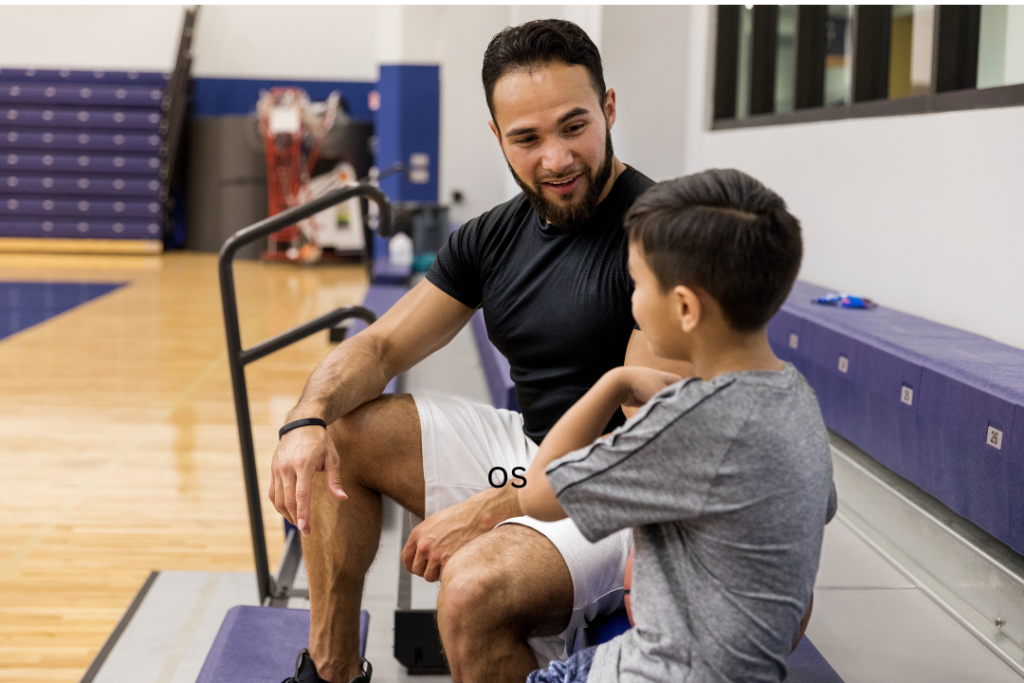
- Staff who are engaging, warm and supportive.
- Spaces that aren’t overcrowded.
- Activities that are genuinely accessible and flexible.
Safe places have some information on how they are inclusive, as well as some resources you may find useful – Safe Places – Keep Safe with Safe Places
Examples
Parent/carers told us that some organisations already feel very inclusive. Here are some examples
My son attends regular Flip Out sessions, as the send session time we can not make. We always find the staff to be supportive and helpful. They will often spend a long time talking to him so he stays regulated, they engage him in conversation about activities and have built a good relationship with him so that he now feels comfortable. They have previously offered a quiet space for him to sit when he was overwhelmed.
When my 18 year old daughter who is neurodivergent was younger, we struggled to find clubs and activities that could meet her needs and provide the support she required. Everything changed when we were introduced to Motiv8. It was a huge relief for our family to find an organisation that truly understood the importance of inclusion and was willing to go the extra mile to ensure she was well supported.
Urbond Youth Club – My daughter is 18 and neurodivergent. She regularly attends Urbond Youth Club and is very well supported by the staff and volunteers. She knows who to speak to whenever she needs help, advice or reassurance which helps her feel safe and included. The club has created a welcoming and accepting environment where she feels comfortable being herself.